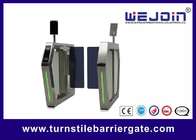
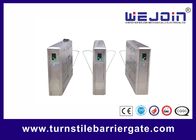
जटिल वाणिज्यिक परिवेशों में बढ़ता पहुंच दबाव
शॉपिंग मॉल और मिक्स्ड यूज डेवलपमेंट सहित बड़े वाणिज्यिक परिसरों को पैदल चलने वालों के प्रवाह के तेजी से जटिल पैटर्न का सामना करना पड़ता है।खुदरा आगंतुक, कार्यालय कर्मचारी, सेवा कर्मचारी और डिलीवरी कर्मचारी, अक्सर एक ही प्रवेश के बुनियादी ढांचे को साझा करते हैं।
सप्ताहांत, प्रचार कार्यक्रमों या मौसमी शिखर के दौरान, एक्सेस पॉइंट अचानक भीड़भाड़ का अनुभव कर सकते हैं।स्विंग गेट सिस्टम जो लगातार नियंत्रण व्यवहार का अभाव है एक बाधा बन सकता है, पैदल चलने वालों की आवाजाही को बाधित करते हैं और साइट के समग्र प्रबंधन को प्रभावित करते हैं।
नतीजतन, वाणिज्यिक परिसरों में एक्सेस कंट्रोल प्रदर्शन का मूल्यांकन अब केवल थ्रूपुट क्षमता पर नहीं किया जाता है,लेकिन कैसे प्रभावी रूप से गेट सिस्टम परिवर्तनीय परिस्थितियों में व्यवस्थित प्रवाह बनाए रखने पर.
वाणिज्यिक परिसरों में सामान्य पहुंच नियंत्रण दर्द बिंदु
वाणिज्यिक परिसरों में परिचालन चुनौतियां अक्सर पैदल चलने वालों के व्यवहार की विविधता और अप्रत्याशितता से उत्पन्न होती हैंः
-
यातायात घनत्व में उतार-चढ़ावदिन भर
-
मिश्रित उपयोगकर्ता व्यवहारअनिश्चित या समूह आधारित प्रविष्टि सहित
-
असंगत गेट प्रतिक्रियाआगंतुकों के चरम समय के दौरान
-
मैनुअल हस्तक्षेप की आवश्यकताएंजब भीड़-भाड़ होती है
ये समस्याएं तब बढ़ सकती हैं जब कई एक्सेस लेन एक-दूसरे के साथ काम करते हैं और गेट व्यवहार पूरी तरह से सिंक्रनाइज़ नहीं होता है।
उच्च परिवर्तनशीलता वाले परिदृश्यों में नियंत्रण प्रौद्योगिकी का महत्व
वाणिज्यिक वातावरण में, पैदल यात्री प्रवाह कम समय सीमा के भीतर कम से उच्च घनत्व में तेजी से बदल सकता है। इसलिए स्विंग गेट सिस्टम को व्यवहार में ध्यान देने योग्य परिवर्तन के बिना सुचारू रूप से अनुकूलित करना चाहिए.
पारम्परिक गेट नियंत्रण विधियां सक्रियण आवृत्ति में लगातार परिवर्तन के संपर्क में आने पर निरंतर गति प्रोफाइल बनाए रखने के लिए संघर्ष कर सकती हैं।खोलने की गति में भिन्नता या देरी से प्रतिक्रिया प्रवाह निरंतरता को बाधित कर सकती है और कथित भीड़भाड़ में योगदान दे सकती है.
इसने सिस्टम डिजाइनरों को अधिक बारीकी से ध्यान केंद्रित करने के लिए नेतृत्व किया हैस्विंग गेट ऑपरेशन के पीछे नियंत्रण तकनीक, बल्कि द्वारों को विशुद्ध रूप से यांत्रिक उपकरणों के रूप में देखने के बजाय।
वाणिज्यिक प्रवेश द्वारों के लिए सर्वो नियंत्रण का मूल्यांकन
सर्वो-नियंत्रित स्विंग गेट्स को अधिक सटीकता के साथ गति को प्रबंधित करने की क्षमता के कारण वाणिज्यिक जटिल परियोजनाओं में तेजी से समीक्षा की जाती है।
बदलती यातायात स्थितियों में स्थिर गति
बंद-लूप सर्वो नियंत्रण गेट सिस्टम को पैदल यात्री घनत्व में उतार-चढ़ाव के बावजूद परिभाषित खोलने और बंद करने के व्यवहार को बनाए रखने की अनुमति देता है।यह व्यस्तता के समय एक सुसंगत पहुंच लय बनाए रखने में मदद करता है.
कई लेनों में बेहतर समन्वय
वाणिज्यिक परिसरों में अक्सर समानांतर में कई स्विंग गेट तैनात किए जाते हैं। एकीकृत नियंत्रण मापदंडों ने सिंक्रनाइज़ गति का समर्थन किया, लेन के बीच दृश्य और कार्यात्मक असंगति को कम किया।
चरम घटनाओं के दौरान कम व्यवधान
बिक्री संवर्धन या विशेष कार्यक्रमों के दौरान, अभिगम प्रणालियों को अस्थायी रूप से सामान्य संचालन पैटर्न से बाहर धकेल दिया जा सकता है।अधिक अनुमानित गेट व्यवहार इन अवधि के दौरान साइट पर समायोजन की आवश्यकता को कम करने में मदद कर सकता है.
वाणिज्यिक जटिल परियोजनाओं के लिए चयन विचार
वाणिज्यिक वातावरण के लिए स्विंग गेट प्रणालियों को निर्दिष्ट करते समय, परियोजना हितधारक तेजी से इस तरह के कारकों पर विचार कर रहे हैंः
-
चर यातायात भार के तहत गेट व्यवहार स्थिरता
-
तेजी से अनुवर्ती अनुमतियों के बाद प्रतिक्रिया
-
केंद्रीकृत पहुँच प्रबंधन प्लेटफार्मों के साथ संगतता
-
लंबे परिचालन घंटों का समर्थन करने वाले परिचालन मापदंडों को परिभाषित किया गया
ये मानदंड उन पहुँच प्रणालियों की आवश्यकता को दर्शाते हैं जो वाणिज्यिक परिसरों की गतिशील प्रकृति के भीतर विश्वसनीय रूप से कार्य कर सकें।
उद्योग के दृष्टिकोण
चूंकि वाणिज्यिक विकास खुदरा, कार्यालय और सार्वजनिक स्थानों को एकीकृत करना जारी रखते हैं, इसलिए पहुंच नियंत्रण प्रणालियों को विविध और बदलते उपयोग पैटर्न को समायोजित करना चाहिए।इसलिए स्विंग गेट नियंत्रण प्रौद्योगिकियों को अधिक बारीकी से जांच के अधीन किया जाता है, जिसमें अधिक जोर दिया गया हैकैसे नियंत्रण वास्तुकला पैदल यात्री प्रवाह निरंतरता को प्रभावित करता है.
केवल अधिकतम गति को प्राथमिकता देने के बजाय,उद्योग चर्चाएं वास्तविक दुनिया की स्थितियों की एक विस्तृत श्रृंखला में स्थिर और अनुमानित संचालन बनाए रखने में सक्षम स्विंग गेट सिस्टम का चयन करने की ओर बढ़ रही हैं.


 आपका संदेश 20-3,000 अक्षरों के बीच होना चाहिए!