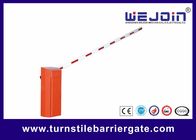
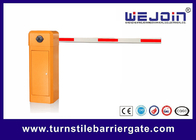
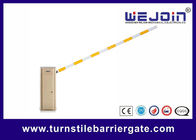
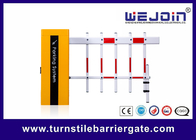
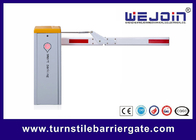
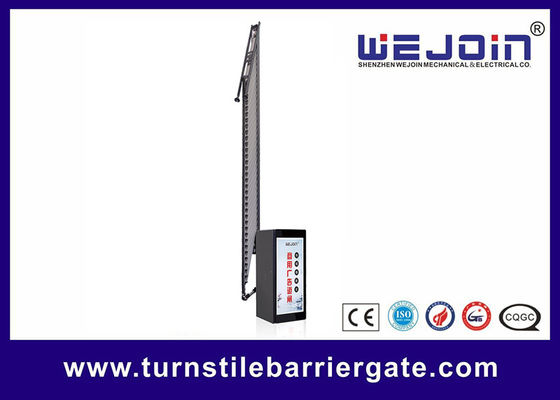
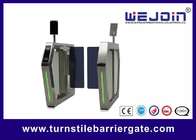
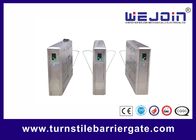
स्प्रिंग्स ने पारंपरिक रूप से बैरियर गेट तंत्र में एक महत्वपूर्ण यांत्रिक भूमिका निभाई है। बूम के वजन को संतुलित करके, एक स्प्रिंग बैरियर गेट को अपने बुनियादी खोलने और बंद करने की गतिविधियों को करने की अनुमति देता है।
जैसे-जैसे बैरियर गेट उच्च-गति और उच्च-आवृत्ति संचालन की ओर बढ़ते हैं, हालांकि, ड्राइव तंत्र भी विकसित हो रहा है।
WEJOIN G30 एक गैर-स्प्रिंग तंत्र का उपयोग करता है और सीधे एक दोहरे-ड्राइव सिस्टम के माध्यम से बूम आंदोलन को नियंत्रित करता है, जो गैर-स्प्रिंग बैरियर गेट तकनीक के लिए एक दृष्टिकोण का प्रतिनिधित्व करता है।
पारंपरिक स्प्रिंग तंत्र की भूमिका क्या है?
एक पारंपरिक बैरियर गेट में, स्प्रिंग का उपयोग मुख्य रूप से बूम को संतुलित करने के लिए किया जाता है।
यह संरचना कई वर्षों से व्यापक रूप से उपयोग की जाती रही है, लेकिन स्प्रिंग एक यांत्रिक लोचदार घटक है। दीर्घकालिक संचालन के दौरान, थकान, तनाव परिवर्तन और समायोजन आवश्यकताओं जैसे कारकों पर विचार करने की आवश्यकता होती है।
इसलिए, जैसे-जैसे बैरियर गेट उच्च आवृत्तियों पर संचालित होते हैं, स्प्रिंग तंत्र से जुड़े रखरखाव को कम करना यांत्रिक डिजाइन के लिए एक संभावित दिशा बन जाता है।
G30 गैर-स्प्रिंग संरचना का उपयोग क्यों करता है?
G30 पारंपरिक स्प्रिंग-संतुलन तंत्र को WEJOIN के स्वतंत्र रूप से विकसित 3D दोहरे-ड्राइव गैर-स्प्रिंग तंत्र से बदल देता है।
दो ड्राइव मोटर क्रमशः ऊर्ध्वाधर और क्षैतिज आंदोलनों को नियंत्रित करते हैं, जबकि विभिन्न ट्रांसमिशन तंत्र त्रि-आयामी गति प्रक्षेपवक्र बनाते हैं।
मुख्य अवधारणा है:
बूम को संतुलित करने के लिए स्प्रिंग पर निर्भर रहने के बजाय, ड्राइव सिस्टम सीधे बूम आंदोलन को नियंत्रित करता है।
इसलिए, गैर-स्प्रिंग डिजाइन केवल एक घटक में बदलाव नहीं है। यह बैरियर गेट तंत्र डिजाइन के लिए एक अलग दृष्टिकोण का प्रतिनिधित्व करता है।
गैर-स्प्रिंग उच्च-गति संचालन से कैसे संबंधित है?
G30 चर-आवृत्ति नियंत्रण के साथ एक स्थायी-चुंबक तुल्यकालिक डीसी मोटर का उपयोग करता है। आधिकारिक विनिर्देशों के अनुसार, इसकी संचालन गति 0.3 सेकंड है।
जब एक बैरियर गेट उच्च गति पर संचालित होता है, तो ड्राइव सिस्टम को आंदोलन प्रक्रिया को अधिक सटीक रूप से नियंत्रित करने की आवश्यकता होती है।
एक गैर-स्प्रिंग संरचना पारंपरिक स्प्रिंग-संतुलन तंत्र पर यांत्रिक निर्भरता को कम करती है, जिससे ड्राइव सिस्टम सीधे बूम आंदोलन को नियंत्रित कर सकता है।
इसलिए, इंजीनियरिंग परिप्रेक्ष्य से, गैर-स्प्रिंग तंत्र और उच्च-गति 3D गति दो पूरी तरह से अलग बिक्री बिंदु नहीं हैं। वे एक ही यांत्रिक डिजाइन दृष्टिकोण के घटक हैं।
गैर-स्प्रिंग का मतलब पूरी तरह से रखरखाव-मुक्त नहीं है
B2B तकनीकी संचार में, "रखरखाव-मुक्त" शब्द का सावधानी से उपयोग किया जाना चाहिए।
एक गैर-स्प्रिंग डिजाइन स्प्रिंग प्रतिस्थापन और तनाव समायोजन से संबंधित रखरखाव को कम कर सकता है, लेकिन एक बैरियर गेट एक पूर्ण इलेक्ट्रोमैकेनिकल सिस्टम बना रहता है।
मोटर, गियर, बेयरिंग, नियंत्रक और बाहरी सुरक्षा उपकरणों को अभी भी वास्तविक संचालन स्थितियों के अनुसार निरीक्षण और रखरखाव की आवश्यकता होती है।
एक अधिक तकनीकी रूप से सटीक बाजार अभिव्यक्ति है:
गैर-स्प्रिंग डिजाइन पारंपरिक स्प्रिंग तंत्र से जुड़े रखरखाव की आवश्यकताओं को कम करता है।
यह शब्दावली इंजीनियरिंग परियोजनाओं और अंतरराष्ट्रीय B2B ग्राहकों के लिए अधिक उपयुक्त है।
गैर-स्प्रिंग प्रौद्योगिकी एक उत्पाद श्रृंखला में विकसित हो रही है
G30 एक अलग उत्पाद नहीं है।
WEJOIN वर्तमान में कई गैर-स्प्रिंग मॉडल की विशेषता वाली एक समर्पित गैर-स्प्रिंग बैरियर गेट श्रेणी है।
उत्पाद विकास परिप्रेक्ष्य से, गैर-स्प्रिंग तकनीक एक एकल उच्च-गति उत्पाद से विभिन्न बूम लंबाई, संचालन गति और अनुप्रयोग आवश्यकताओं को कवर करने वाली एक व्यापक श्रृंखला में विस्तारित हुई है।
यह इंगित करता है कि गैर-स्प्रिंग तंत्र स्वचालित बैरियर गेट में यांत्रिक नवाचार की एक महत्वपूर्ण दिशा बन रहे हैं।


 आपका संदेश 20-3,000 अक्षरों के बीच होना चाहिए!